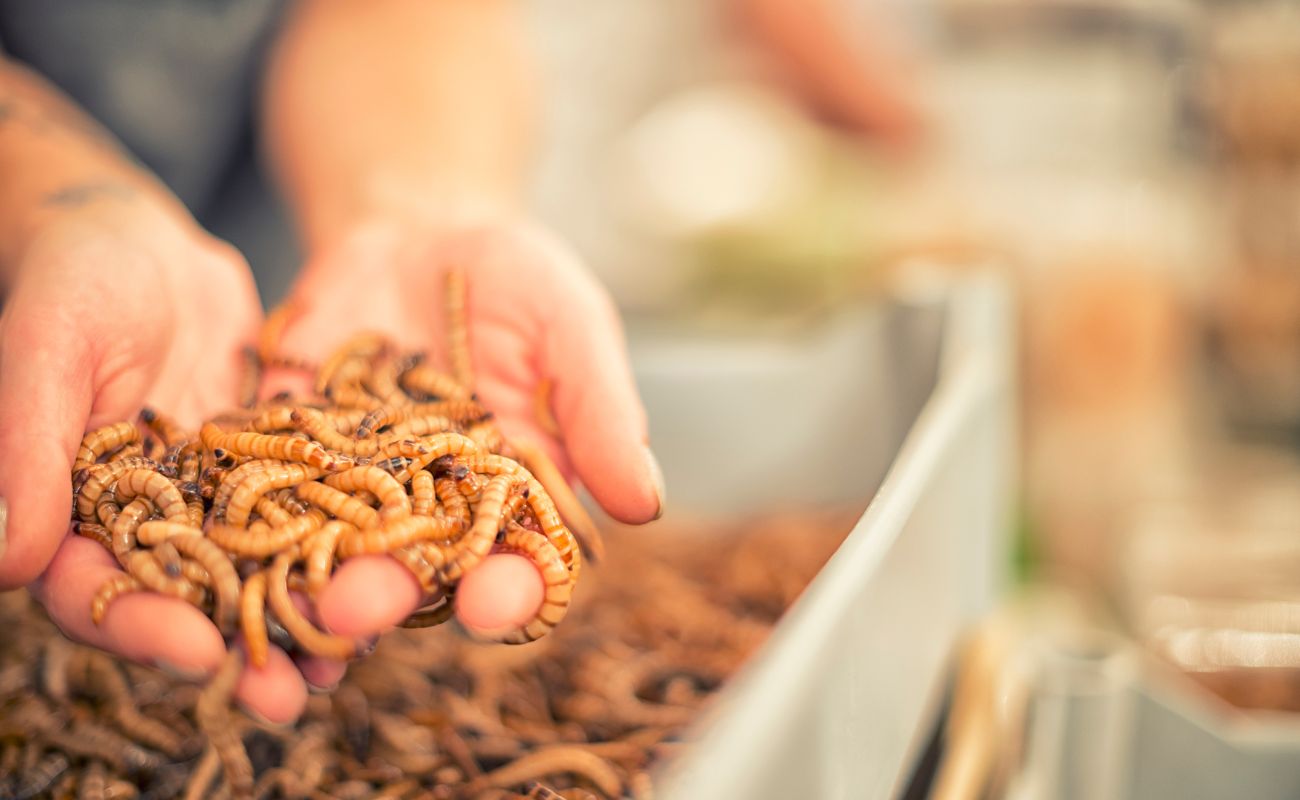
Raising chickens is more than just providing food and shelter—it’s about optimizing their well-being to unlock their full potential. While traditional feeds form the foundation of a healthy diet, there’s a rising star in the poultry nutrition world: dried mealworms. These tiny, crunchy treats aren’t just a novelty; they’re a nutritional powerhouse that can supercharge your chickens’ health, boost egg production, and even enhance their overall happiness. Let’s dive into why dried mealworms are a must-have for modern chicken keepers and explore the science, benefits, and creative ways to incorporate them into your flock’s routine.
The Nutritional Superpowers of Dried Mealworms
- Protein-Packed Punch: Dried mealworms contain an astonishing 50–60% protein by weight—far surpassing common feed ingredients like soy or grains. This protein density is a game-changer for egg-laying hens, molting birds, or chickens recovering from illness.
- Essential Vitamins and Minerals: Beyond protein, mealworms offer a natural balance of calcium, iron, zinc, B vitamins, and healthy fats—crucial for strong bones, vibrant feathers, and robust immune systems.
- Sustainable Nutrition: As the world embraces eco-friendly farming, mealworms stand out as a low-impact protein source. They require minimal land, water, and feed compared to traditional livestock, aligning with ethical and sustainable poultry-keeping practices.
- Natural Behavior Enrichment: Chickens are hardwired to forage. Offering dried mealworms taps into their instinctual scavenging behavior, keeping them mentally stimulated and reducing stress-related issues like feather pecking.
Why Dried Over Live? The Practical Advantages
- Convenience Reigns Supreme: No more messy live worms escaping or requiring special storage. Dried mealworms are shelf-stable, easy to measure, and can be stored in airtight containers for months.
- Cost-Effective in the Long Run: While live mealworms may seem cheaper initially, dried versions eliminate the need for constant replenishment and reduce waste from uneaten bugs.
- Hygiene and Safety: Dried mealworms from reputable sources are processed to remove pathogens, ensuring a safe treat for your flock.
Creative Ways to Use Dried Mealworms
- Egg Production Booster: Sprinkle a small handful (1–2 tablespoons per chicken) in the evening to support overnight egg formation and improve shell strength.
- Training Tool: Use mealworms to teach chickens desirable behaviors like returning to the coop on cue. Reward good behavior with a worm treat—positive reinforcement at its best!
- Molting Support: During feather regrowth, when protein demands soar, supplement their diet with extra mealworms to accelerate healthy feather growth.
- Broodmare Bonding: Hand-feeding mealworms can help tame skittish chickens or strengthen your bond with new additions to the flock.
- Creative Feed Enhancers: Mix dried mealworms with oatmeal or scrambled eggs for a protein-rich “chicken smoothie” treat or sprinkle them over regular feed for added interest.
Myths vs. Facts: Debunking Common Concerns
Myth: “Feeding insects is unnatural for chickens.”
Fact: Chickens are natural omnivores. In the wild, they eagerly devour insects, grubs, and small creatures—mealworms are a safe and convenient version of this diet staple.
Myth: “Dried mealworms are too expensive.”
Fact: While priced higher than grains, their protein density makes them cost-effective for targeted supplementation. Investing in quality nutrition can pay off in better egg quality and reduced vet bills.
Myth: “Chickens will only eat mealworms and reject regular feed.”
Fact: When fed in moderation (5–10% of total diet), chickens maintain a balanced appetite. Overfeeding treats can lead to nutritional imbalances.
The Future of Chicken Feeding: Insects as the Next Frontier
As global interest in sustainable protein grows, the poultry industry is taking note. Researchers are exploring mealworms as:
- Complete Feed Additives: Formulated feeds blended with insect protein for enhanced nutrition.
- Circular Farming Solutions: Using chicken waste to feed mealworms, which are then recycled back into poultry diets.
- Premium Egg Marketing: “Insect-fed” eggs are gaining traction in specialty markets, commanding higher prices due to perceived health benefits.
Your Action Steps:
- Start Small: Gradually introduce dried mealworms to observe your chickens’ response. Monitor egg quality, feather condition, and behavior over 2–3 weeks.
- Choose Quality: Opt for “human-grade” or “gut-loaded” mealworms from reputable suppliers to ensure purity and nutrition.
- Experiment Creatively: Share your unique feeding methods or success stories on social media using #MealwormPoweredChickens to inspire others.
- Stay Informed: Subscribe to poultry science blogs or join online communities to keep up with the latest advancements in insect-based chicken nutrition.
The Bottom Line: Small Bugs, Big Impact
Dried mealworms aren’t just a treat—they’re a strategic investment in your flock’s health, happiness, and productivity. By harnessing the power of these tiny superheroes, you’re joining a global movement toward more sustainable, nutritious, and engaging chicken-keeping practices. Whether you’re a backyard enthusiast or a small-scale farmer, incorporating dried mealworms into your routine can take your flock’s performance to new heights.
Are You a Mealworm Convert? Share Your Success!
- What’s your favorite way to feed mealworms to your chickens?
- Have you noticed a difference in egg quality or behavior since adding them to the diet?
- What challenges have you overcome when introducing mealworms?
Leave a comment below and join the conversation! Your experience could inspire fellow chicken keepers worldwide.