
What Matters When Buying Dried Mealworms in Bulk?
Dried mealworms are widely used in bird feed, but buying them for commercial use involves more than choosing a product that looks good in a photograph. A bird food retailer, feed manufacturer, and wholesale distributor may all purchase dried mealworms, yet their requirements can be quite different. One may care most about how the product looks in retail packaging, while another needs a consistent raw material that can be blended into an existing feed formula.
These differences are worth sorting out before requesting quotations. Think about where the mealworms will go after delivery. Will you sell them as a standalone bird treat, mix them with seeds, or use them as an ingredient in a formulated feed? Will the product be repacked under your own brand, or shipped directly to customers in bulk? The answers help determine which specifications matter most and prevent unnecessary back-and-forth with suppliers.
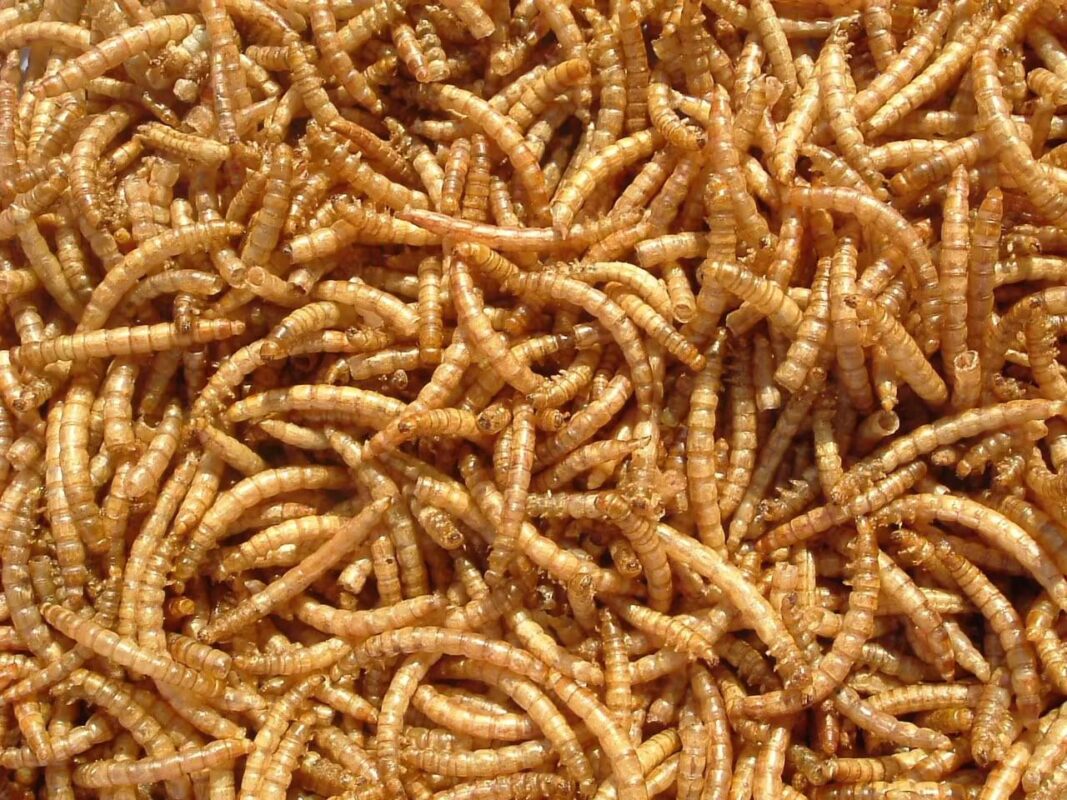
For buyers sourcing dried mealworms for bird feed, a clear product requirement is often a better starting point than a general request for premium quality.
Product Condition and Moisture Need to Be Considered Together
A product specification may look straightforward on paper, but the figures only tell part of the story. Moisture content is particularly relevant to dried mealworms because it affects storage stability and the condition of the product during handling and transport. Still, a single moisture result does not guarantee that every shipment will perform the same way.
When reviewing a supplier’s specification, pay attention to how the moisture value is defined. Is it a target range or a maximum limit? Is the result based on a documented testing method? For repeat orders, consistency between batches matters just as much as the result from an initial sample.
The sample itself can also reveal useful details. Look at the overall appearance, the amount of broken material, and whether there are visible foreign particles or signs of moisture exposure. Some variation may be acceptable depending on the product grade and intended use, so it helps to agree on reasonable acceptance criteria rather than relying on vague descriptions such as “clean” or “high quality.”
For a feed manufacturer, physical consistency may affect handling and blending. A retailer, on the other hand, may pay closer attention to appearance because customers can see the product through transparent packaging. Neither requirement is automatically more important; the right standard depends on how the mealworms will be sold or used.
A Good Sample Is Only the Beginning
One of the common challenges in wholesale purchasing is knowing whether the next shipment will match the first. A sample may meet expectations, but that does not tell you how consistently the supplier manages production over time.
This is where the supplier’s manufacturing and quality-control process becomes relevant. A reliable dried mealworms supplier should be able to explain how the product is cleaned, dried, graded, and packed. Written specifications, batch records, and relevant test reports help buyers evaluate whether the supplier has a repeatable process rather than relying on visual inspection alone.
It is also useful to understand what happens when a batch does not meet the agreed requirements. A defined procedure for identifying and reviewing nonconforming products gives both parties a clearer basis for resolving problems. No supplier can reasonably promise that every production process is free from variation, but clear controls make those variations easier to manage.
For companies considering a yellow mealworm manufacturer in China, this kind of discussion can reveal more than a low quotation ever will. The aim is not to collect paperwork for its own sake. It is to understand what the supplier can consistently deliver and how that can be verified.
Packaging, Transport, and Storage Are Part of the Same Decision
Packaging should be considered alongside the way the product will travel and be stored after arrival. A distributor supplying retail stores may prefer smaller packs that are easy to handle and display. A feed manufacturer or importer may need bulk packaging that fits warehouse operations and production requirements.
The practical details matter: net weight per package, outer-carton information, labeling, packaging condition, and whether customized options are available for the order quantity. If the product will be repacked under your own brand, discuss those requirements before production begins rather than assuming they can be arranged later.
Storage conditions deserve the same attention. Dried mealworms should be protected from moisture, pests, and avoidable contamination, following the supplier’s product-specific guidance. If the shipment will spend a long time in transit or remain in a warehouse before distribution, discuss the expected conditions and how shelf life is established. A shelf-life statement is most useful when the storage conditions needed to support it are clear.
For export orders, it is also sensible to discuss destination-market labeling and documentation before the goods are shipped. These details can vary with the destination and intended use, so they should be confirmed for the actual order rather than assumed to be the same for every market.
Comparing Wholesale Quotations Without Overlooking the Details
Price is an obvious part of any bulk purchase, but comparing the price per kilogram alone can leave out important differences. Two quotations may cover products with different specifications, packaging formats, testing arrangements, or delivery terms. A lower initial price does not necessarily mean a lower overall purchasing cost if the product is difficult to handle or does not meet the buyer’s requirements.
A practical approach is to send shortlisted suppliers the same specification sheet. Include the intended application, product condition requirements, moisture limits where applicable, packaging preferences, order quantity, and destination. Ask suppliers to identify any requirements they cannot meet instead of leaving those differences unclear until the order is underway.
For a first purchase, a representative sample can help determine whether the product suits your needs. Before moving to recurring orders, it is worth agreeing on the specifications that will be used to evaluate future shipments. This creates a shared reference point and makes discussions about quality or delivery much more straightforward.
Communication is another useful indicator. Suppliers who answer product questions clearly and explain their available options make it easier to plan an order. Buyers should also understand the minimum order quantity, lead time, payment terms, shipping arrangements, and the procedure for handling goods that fall outside the agreed specifications.
Finding a Supplier That Fits Your Business
There is no single specification that works for every dried mealworm buyer. A product intended for retail bird food may need a different presentation from one purchased as a feed ingredient. The important thing is to define the requirements before comparing suppliers, then evaluate each offer against the same standards.
GreenFut supplies dried mealworms for animal-feed-related applications and offers a range of mealworm products. Buyers looking for dried mealworms wholesale can review the available options on the GreenFut product page. For businesses evaluating a longer-term supply relationship, discussing the intended use, required specifications, packaging, and order volume directly with the supplier is a sensible next step.
If you are sourcing dried mealworms for bird feed, start with the product requirements your business actually needs. That makes it easier to compare quotations fairly, assess samples against a clear standard, and build a purchasing arrangement that works beyond the first shipment.
For the first order, agree on the product grade, packaging and acceptance checks in writing. GreenFut can then respond to a specific enquiry instead of a broad request for “premium mealworms.”