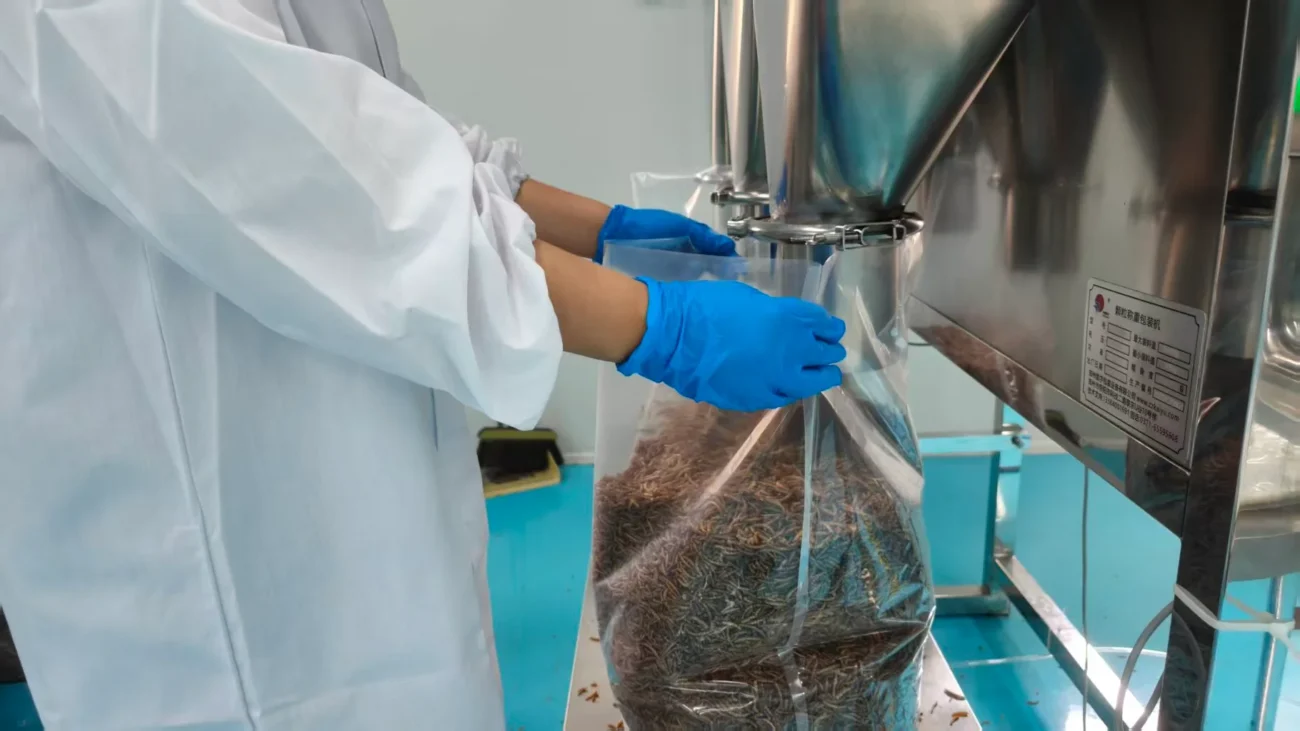
Sourcing mealworms looks simple on the surface. Send an inquiry, get a quote, place an order. But experienced feed mill buyers and pet food brand owners know the truth: the gap between a cheap supplier and a reliable one only becomes visible after the second or third shipment — when the protein level drops, the mesh size shifts, or the delivery slips by six weeks.
After supplying buyers across Europe, North America, and Southeast Asia since 2015, Heze Green Future Biotechnology has learned what separates a dependable ingredient partner from a transactional one. Here is the checklist we would use ourselves.
1. Vertical Integration — Do They Farm, or Just Trade?
The single most important question to ask is: does this supplier control its own insect production?
A pure trading company has no visibility into what is happening upstream. When disease hits the breeding sheds, when a seasonal shortage appears, or when demand spikes during peak bird-feeding season, the trader has no leverage — and neither do you.
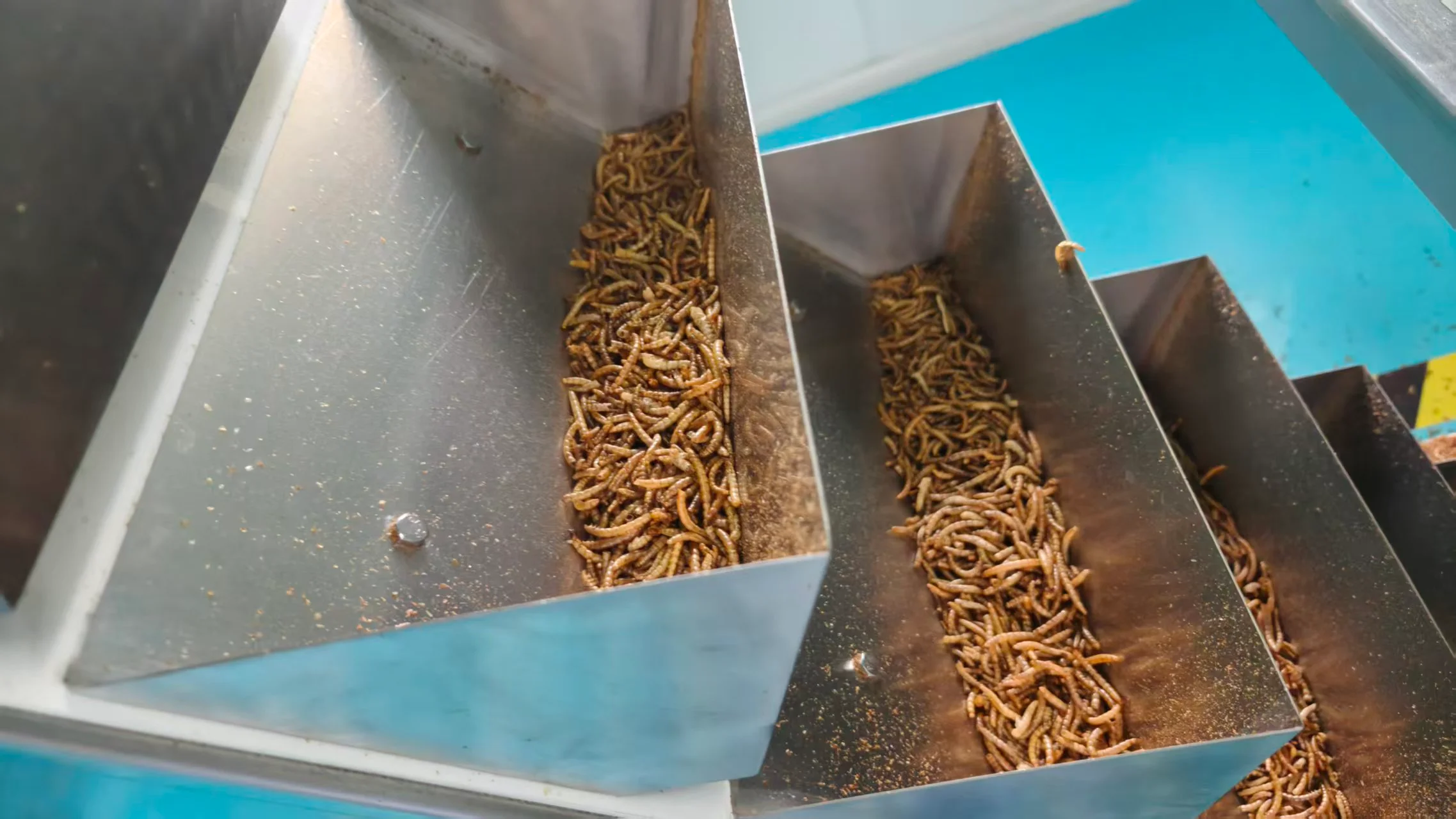
A vertically integrated producer manages the entire chain: breeding, rearing, processing, and export. At Heze Green Future, we operate five production bases across Heze with over 120 standardized breeding sheds spanning 180 acres, giving us full control over every stage from egg to packaged product.
2. Proven, Sustained Production Capacity
Anyone can claim capacity. Ask for evidence of sustained output over time.
Look for a supplier with a documented production history — not a single base built last year. Our own expansion path shows what real growth looks like:
| Year | Base | Sheds | Annual Output |
|---|---|---|---|
| 2018 | Daxiang No.1 | 30+ | 1,800 tons |
| 2022 | Dingyou Agriculture | 22 | 1,320 tons |
| 2023 | Daxiang No.2 | 30+ | 2,000 tons |
| 2024 | Hongfeng Base | 26 | 1,700 tons |
| 2025 | Green Future Base | 15 | 1,000 tons (est.) |
| Total 合计 | 5 Bases | 120+ | 6,000 tons / year |
A supplier with 6,000 tons of annual dried output and 15,000 tons of processing capacity can absorb a large contract without rationing your allocation during peak season. A small operation cannot.
3. Verifiable Certifications — Not Just Logos on a Homepage
Every supplier claims to be “certified.” The question is whether those certificates are current, relevant to your market, and backed by documentation you can actually file with customs.
For pet food and feed buyers, the minimum standard is:
- FDA registration — required for US market entry.
- ISO 22000 — food safety management system.
- HACCP — hazard analysis and critical control points.
Our production holds all three. But certification means nothing without the paperwork to match — so we issue a Certificate of Analysis (COA) with every shipment, covering protein, fat, moisture, ash, and microbiological results. If a supplier hesitates to provide a COA before you order, that is your answer.
4. Consistent Specifications, Batch After Batch
The most common complaint we hear from buyers switching suppliers is variability: one shipment at 48% protein, the next at 53%;
Reliability means the specification you sign off on is the specification you receive — every time. This depends on three things:
- Controlled raw material — consistent larval diet and harvest timing.
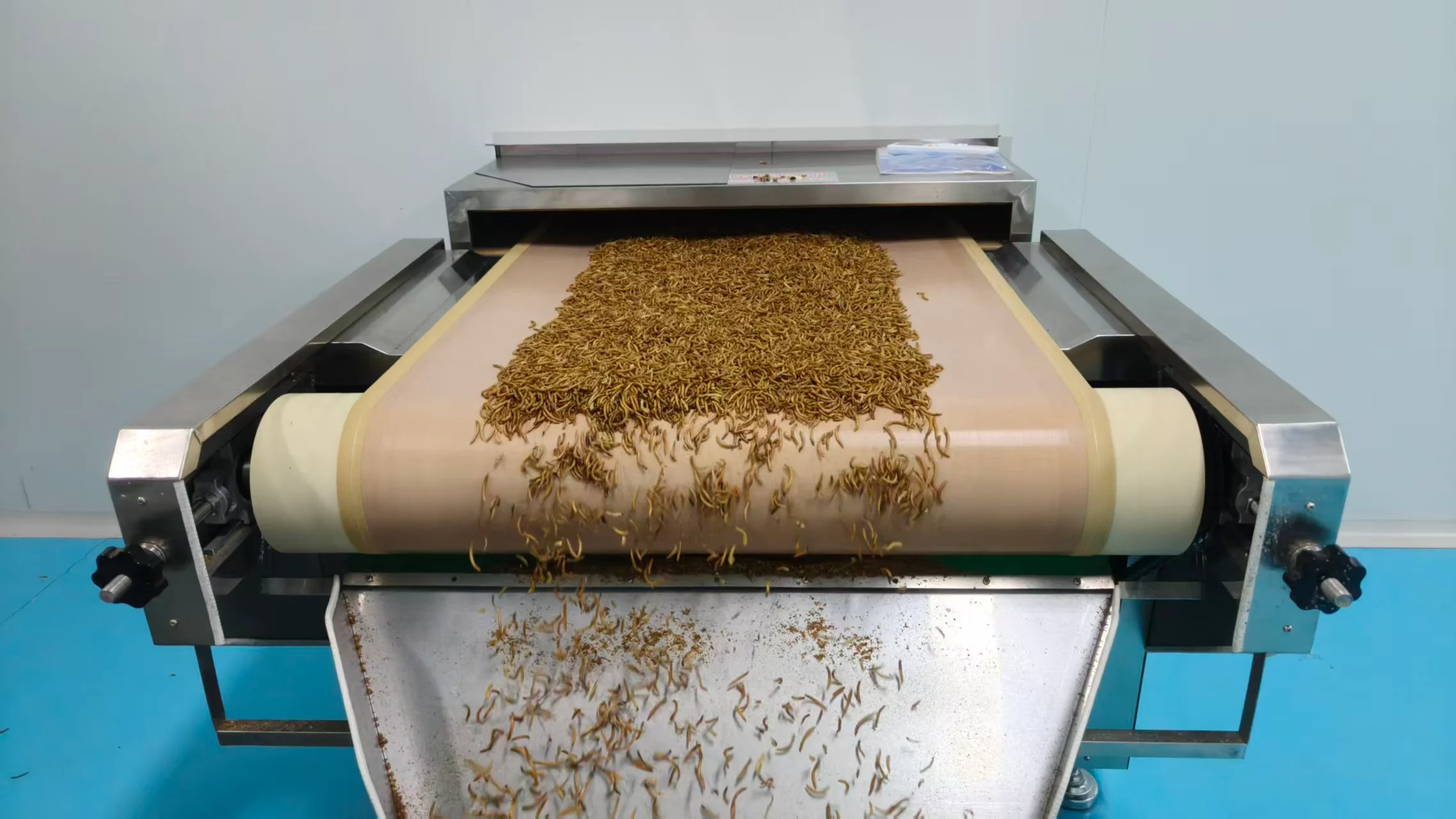
- Standardized processing — calibrated drying and milling equipment.
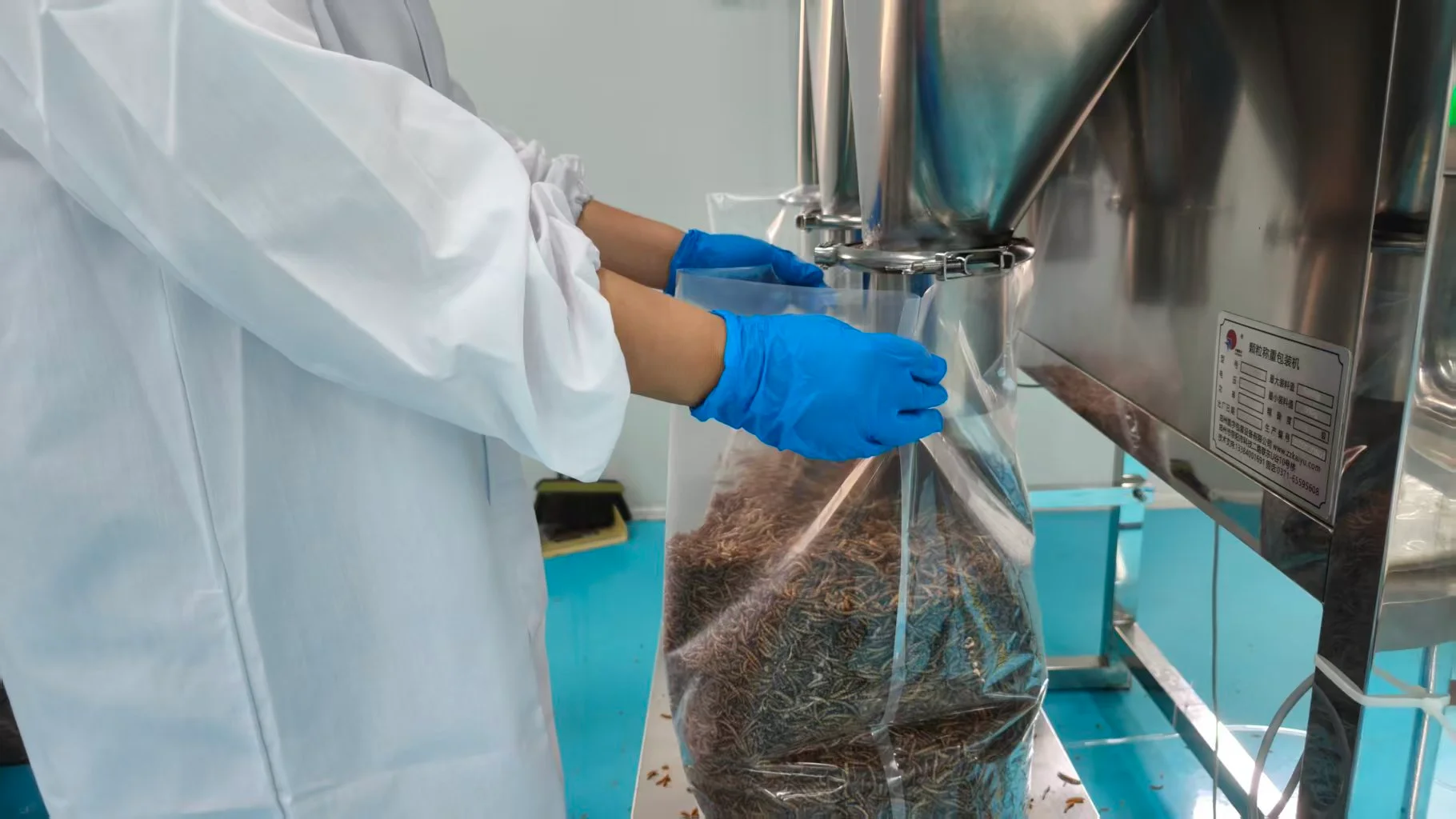
- Pre-shipment testing — every batch sampled and documented before dispatch.
At GreenFut, our defatted protein powder maintains a consistent 65%–70% crude protein, standard 100 mesh fineness, and moisture below 8%. Because we stock raw material from multiple bases, we are not dependent on a single harvest to fulfill your specification.
5. Willingness to Customize
A reliable supplier does not force you into their catalogue. They adapt to your production line.
Whether you need 200 mesh powder for micro-pellet extrusion, coarse mealworms for wild bird blends, or private-label packaging for retail, flexibility signals a partner who understands that your formulation is not negotiable.
We offer customizable fineness, packaging formats, and specification ranges, with our monthly powder output of 200 tons ensuring custom orders do not mean extended lead times.
6.Red Flags: When to Walk Away
Refuses a pre-shipment COA or third-party lab test.
Cannot name a single long-term client or reference.
Quotes a price far below market — this usually means off-spec goods or undisclosed origin.
Only reachable via a personal WeChat, with no company entity or registered address.
Gives vague answers about where the insects are farmed.
Conclusion: Reliability Is Built, Not Claimed
A reliable mealworm supplier is not the one with the lowest quote. It is the one who can still meet your specification, on schedule, in the third year of your partnership — and show you the documentation to prove it.
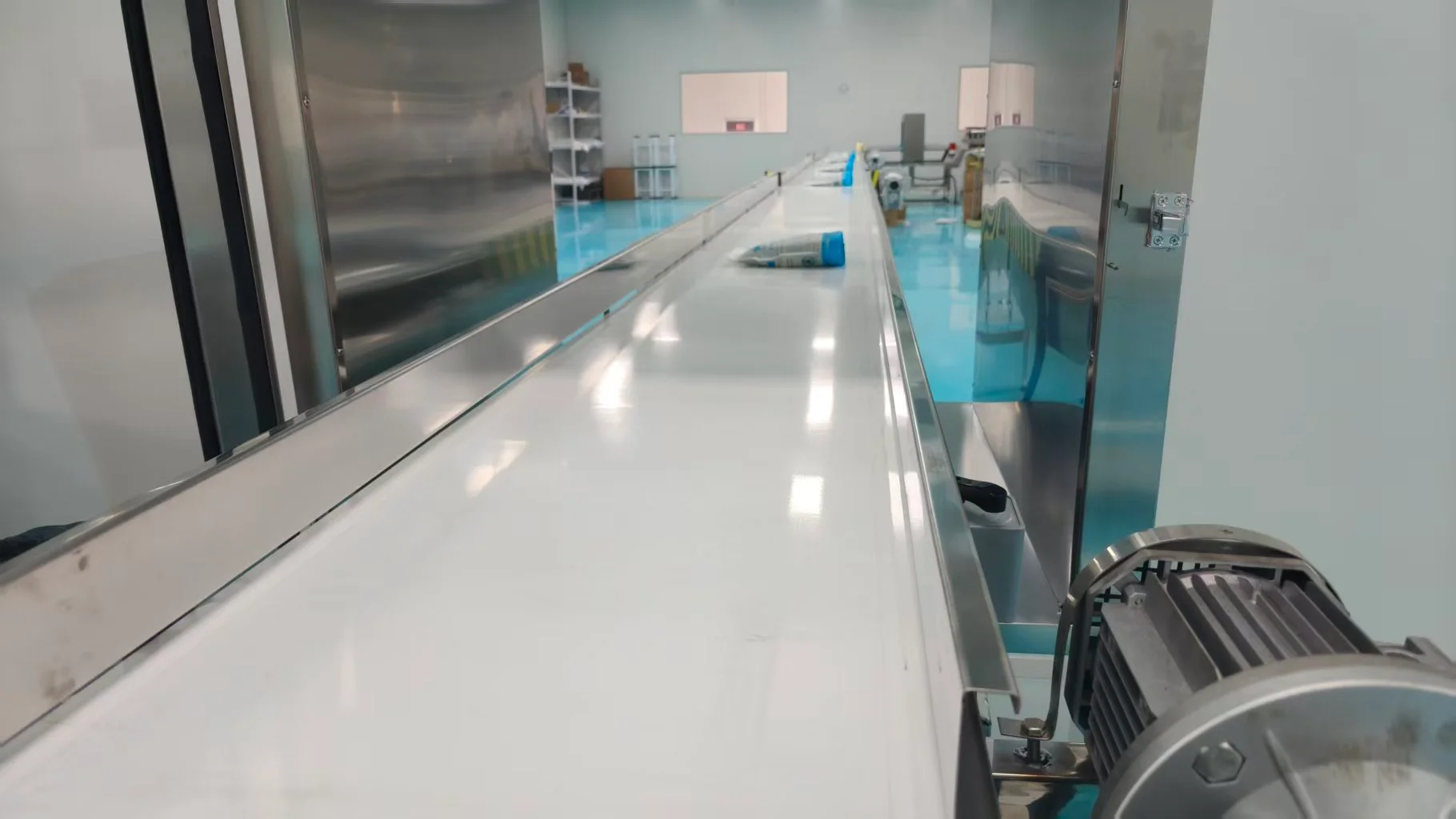
Heze Green Future Biotechnology has grown from a small-scale breeder in 2015 to a vertically integrated producer operating five bases, a 1,800㎡ processing workshop, and a 1,800㎡ storage facility — with 185 employees across management, technical, and breeding roles.
If you are evaluating suppliers for dried mealworms or defatted mealworm protein powder, we welcome the same scrutiny we recommend above.