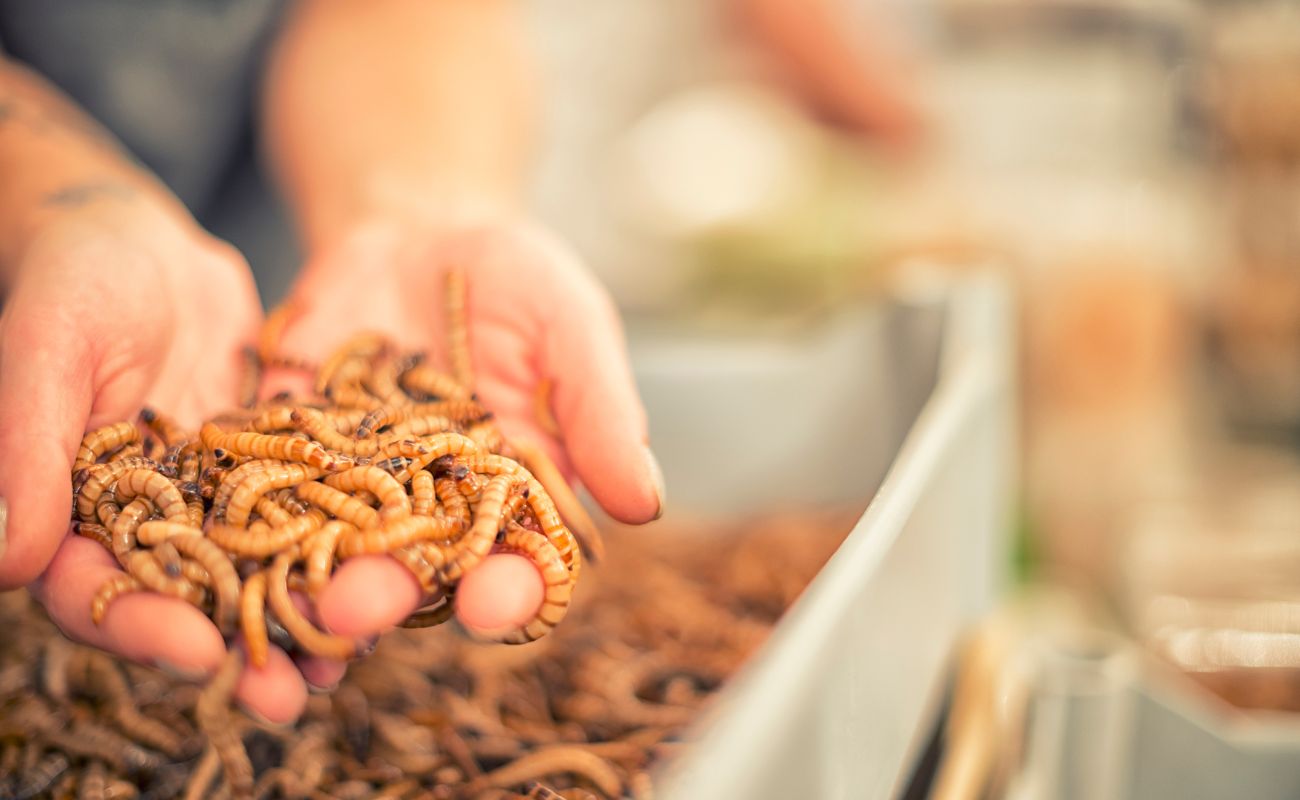
Mealworm protein is entering a different phase of commercialization. The interesting question for feed manufacturers is no longer simply whether Tenebrio molitor can provide useful protein. Research published throughout 2026 is examining aquafeed applications, poultry diets, rearing substrates and industrial farming efficiency, while South Korea has opened an automated complex designed to produce as much as 1,000 tonnes of mealworms annually. For a buyer, that changes the sourcing problem: scale and repeatability now matter as much as nutritional potential.
Protein Percentage Is Only the Starting Specification
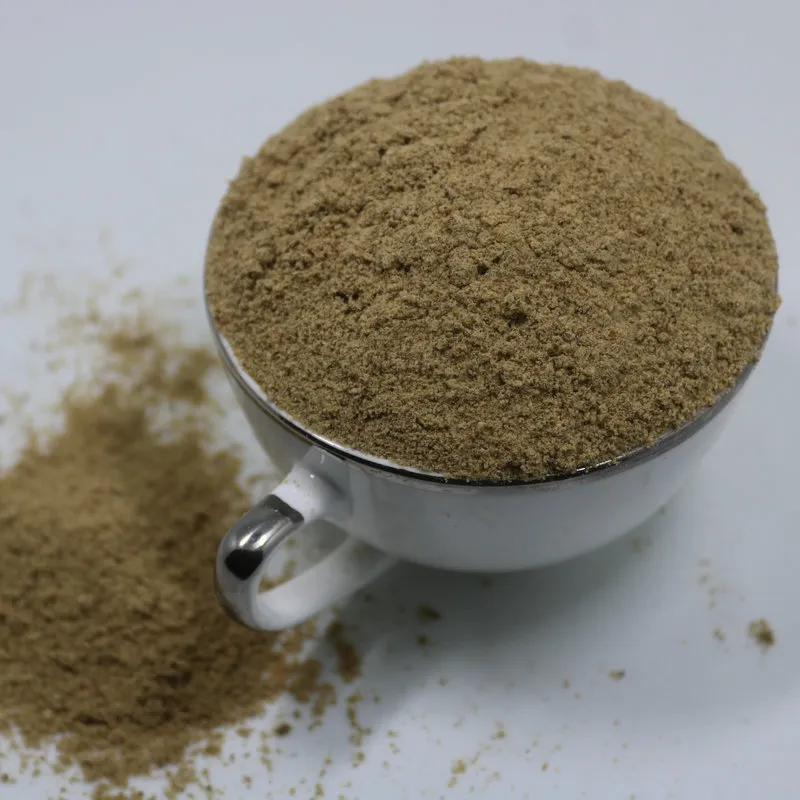
That move toward industrial production makes the specification sheet the logical place to start, but not to finish. Whole dried mealworms and concentrated mealworm ingredients are not interchangeable. GreenFut, for example, lists crude protein of 50–54% for its whole dried product, compared with 65–70% for its defatted protein powder. Moisture for the dried product is specified at no more than 6%.
A buyer comparing a dried mealworms supplier therefore needs to know which product form a quoted protein figure describes. Moisture, fat, particle size and processing method affect how an ingredient behaves in storage and formulation. A pet-food company looking for a concentrated ingredient may be better served by a mealworm protein powder supplier, while a bird-feed brand selling recognizable whole insects has a different set of requirements.
Those Specifications Depend on What Happens Before Processing
Once the product specification is clear, the next question is whether the farm can reproduce it. Research published in 2026 makes that connection increasingly difficult to ignore. A study of standardized agro-industrial by-product diets found that alternative substrates could support strong mealworm growth while reducing feeding costs. Separate research using camelina and linseed cakes showed that changes in the larvae’s diet could also alter their fatty-acid profile.
For procurement teams, the implication is practical rather than academic. Ask what the insects are fed, how substrate formulations are controlled and whether meaningful diet changes are recorded. An insect protein supplier selling standardized ingredients at industrial volume needs control upstream of the drying line. Otherwise, two lots carrying the same product name may not represent precisely the same raw material.
Farm Control Must Continue Through the Kill and Drying Steps
That need for upstream consistency leads directly to processing. Once larvae reach harvest, cleaning, microbial control and drying determine whether farm output becomes a stable commercial ingredient. GreenFut describes an integrated process covering controlled breeding, harvesting, cleaning and grading, followed by drying and packaging; its 2026 manufacturing material also identifies microwave drying as part of the production system.
This is where buyers should move beyond questions such as “Are your mealworms high quality?” A more useful supplier discussion asks for measurable controls. What is the finished-product moisture limit? How is the drying endpoint verified? What microbial testing is conducted? Are retained samples available when a shipment is questioned six months later?
A supplier of dried mealworms should be able to connect those answers to a repeatable process rather than a particularly good sample. Drying also affects storage economics: a product that changes during a long export journey can create considerably more expense than the difference between two initial quotations.
Industrial Supply Is a Capacity and Traceability Question
Processing control, however, solves only half the procurement problem. A feed factory also needs to know whether the supplier can repeat that process at the required volume. GreenFut reports about 6,000 tonnes of annual dried-mealworm output from its farming network. For its defatted powder, it states monthly capacity of approximately 200 tonnes. Numbers such as these give a procurement team something concrete to compare against forecast demand.
Capacity should still be tested against traceability. A large insect protein supplier may operate multiple breeding areas or receive production through cooperating farms, making lot identification, incoming-material controls and finished-product testing more important rather than less important. Industrial scale is valuable only when the quality system grows with it.
- Request the product specification and test method, not just a headline protein number.
- Confirm rearing-substrate controls and whether meaningful feed changes are documented.
- Review moisture, microbiological and contaminant testing for representative commercial lots.
- Ask how batch codes connect finished goods to processing and breeding records.
- Match verified monthly or annual capacity against your expected purchasing volume.
The Best Supplier Comparison Tests the Whole Chain
That combination of specifications, processing and traceability leads to a better way of comparing suppliers. The cheapest quotation per kilogram tells a buyer very little if the lots vary enough to force formulation adjustments, generate fines in whole-insect packs or create storage problems after shipment. Supplier evaluation should follow the ingredient from breeding substrate to delivered batch.
This applies equally to whole insects and processed ingredients. When selecting a mealworm protein powder supplier, buyers should compare protein concentration, defatting method, fineness, microbiological requirements and available capacity. When sourcing dried insects, physical integrity, moisture and packaging become more prominent. A competent dried mealworms supplier should be able to explain why its chosen controls support the intended application rather than simply sending the same certificate to every buyer.
The growing body of 2026 research supports the same conclusion from another direction: mealworm nutrition, farming efficiency and end-use performance are connected. As the sector scales, the strongest supplier relationship will not be the one with the longest sustainability pitch. It will be the one where the buyer can trace a specification back through processing and farming and receive substantially the same result in the next shipment.